
POPULATION OF FOCUS
CHILDREN AND YOUTH
Children and Youth At Risk for Avoidable Hospital or ED Utilization
Children and youth who meet one or more of the following conditions:
-
-
- Three or more ED visits in a 12-month period that could have been avoided with appropriate outpatient care or improved treatment adherence
- Two or more unplanned hospital and/or short-term SNF stays in a 12-month period that could have been avoided with appropriate outpatient care or improved treatment adherence.
-
Key Services
The below Community Supports can help Children and Youth At Risk for Avoidable Hospital or ED Utilization.
Housing Deposits
Help members with the one-time services, such as security or utility deposits, that they need to establish a safe household.
Housing Tenancy and Sustaining Services
Support to maintain safe and stable tenancy once housing is secured, such as working with landlords to address issues, helping with the annual housing recertification process and connecting the member to community resources to prevent eviction.
Transitional Rent (starting Summer 2025)
A maximum of six months of rental assistance to help Medi-Cal members experiencing homelessness or housing instability secure stable housing during critical transition periods.
Asthma Remediation
Home modifications to avoid serious asthma episodes. Modifications can include filtered vacuums, dehumidifiers, air filters and ventilation improvements
By the Numbers
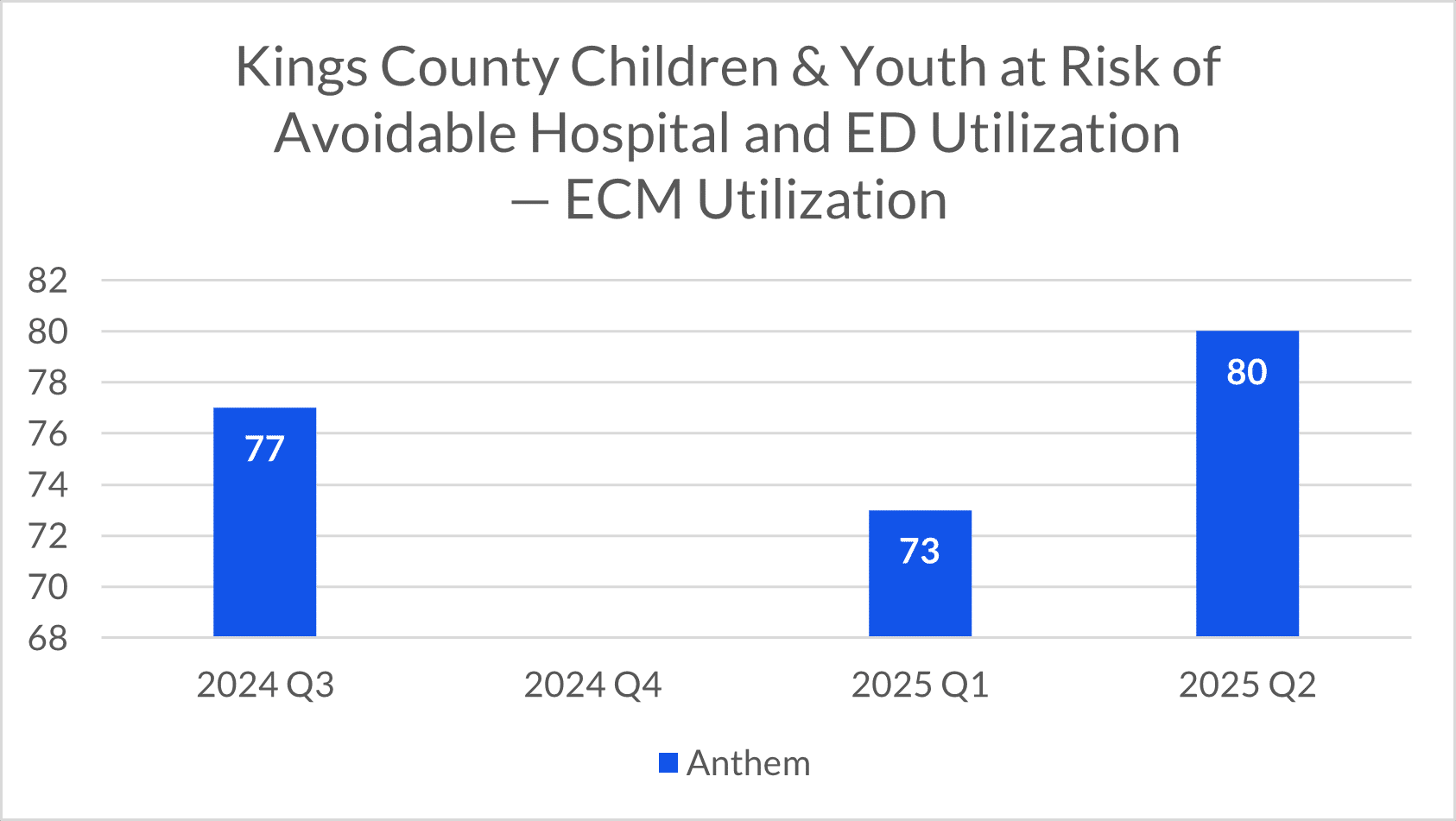
Kings County
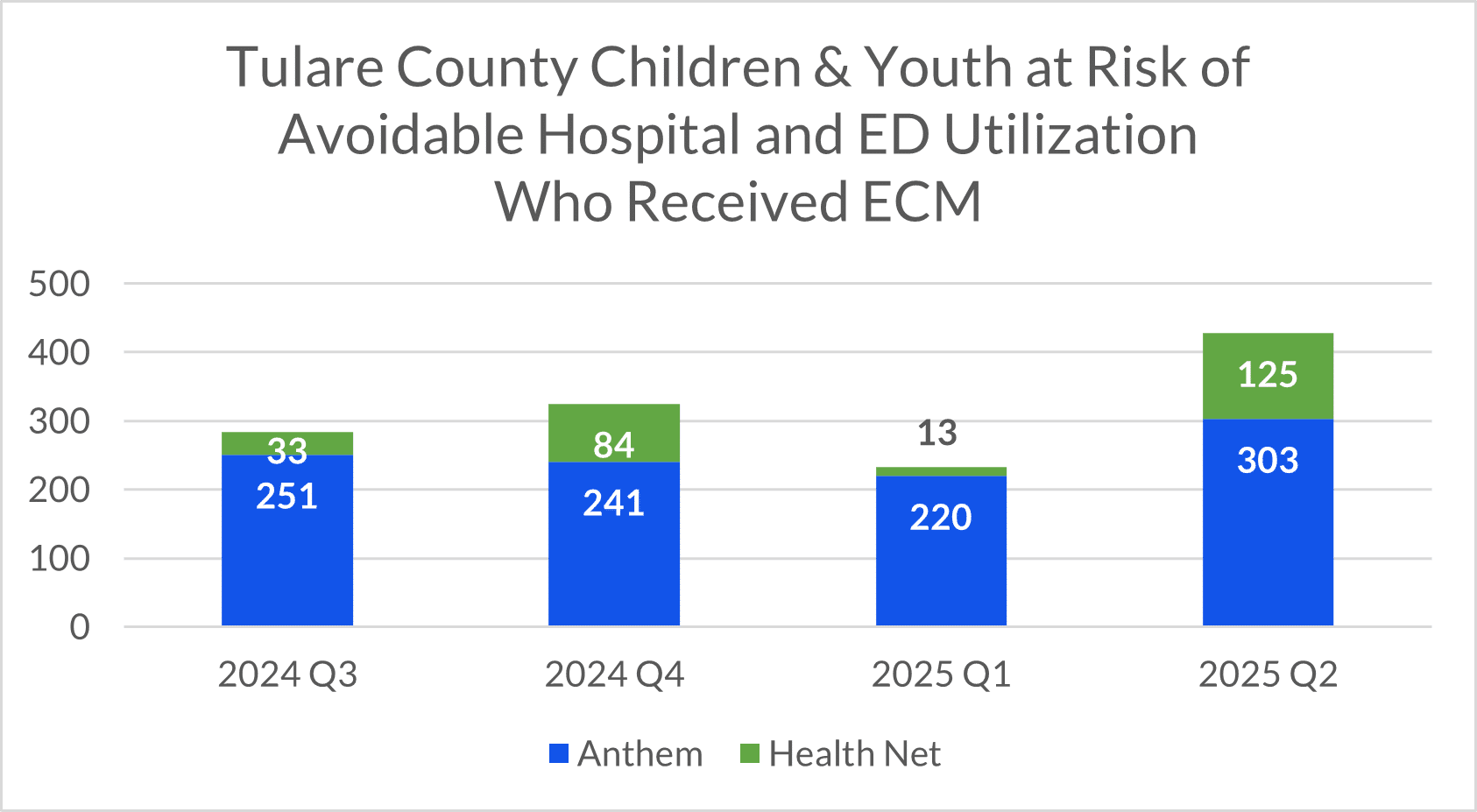
Tulare County

Children and Youth with Serious Mental Health and/or Substance Use Disorder (SUD) Needs
Medi-Cal managed care members with serious mental health and SUD needs, as defined below, have disproportionately high rates of chronic physical health conditions as well as complex social needs. For children and youth, a number of social conditions and risk factors (e.g., exposure to trauma or other adverse childhood experiences (ACEs)) often present as behavioral health needs. Enrolling this child and youth Population of Focus into ECM is critical to addressing risk early and averting long-term chronic illness.
Children and youth who:
-
-
- Meet the eligibility criteria for participation in, or obtaining services through one or more of:
- Specialty mental health services (SMHS) delivered by county mental health plans (MHPs);
- The Drug Medi-Cal Organization Delivery System (DMC-ODS) OR the Drug Medi- Cal (DMC) program
- Meet the eligibility criteria for participation in, or obtaining services through one or more of:
-
Further information on access criteria for the specialty mental health services for adults and children can be found in BHIN 21-073 and for the DMC-ODS delivery system in BHIN 24-001. The medical necessity criteria for DMC services can be found in California Code of Regulations, Title 22, § 51341.1 and BHIN 21-071.
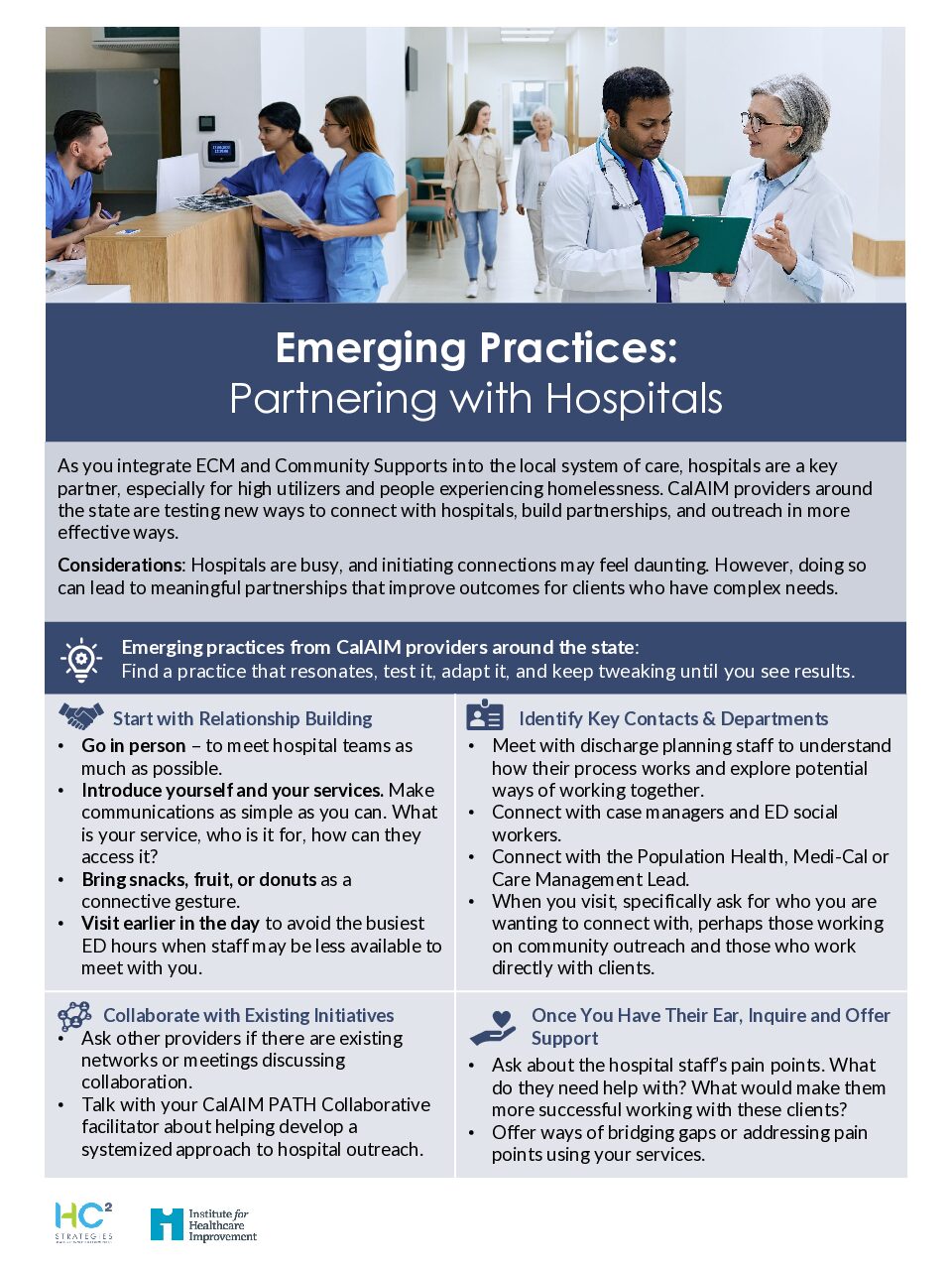
Emerging Practices: Partnering with Hospitals
Key Services
The following Community Supports can help Children and Youth with Serious Mental Health and/or Substance Use Disorder (SUD) Needs.
Sobering Centers
Facilities that provide a safe, supervised environment for individuals to recover from acute intoxication, often as an alternative to jail or emergency room visits
Housing Deposits
Help members with the one-time services, such as security or utility deposits, that they need to establish a safe household.
Housing Tenancy and Sustaining Services
Support to maintain safe and stable tenancy once housing is secured, such as working with landlords to address issues, helping with the annual housing recertification process and connecting the member to community resources to prevent eviction.
Housing Transition Navigation Services
Assistance to find, apply for and secure housing
Transitional Rent (starting Summer 2025)
A maximum of six months of rental assistance to help Medi-Cal members experiencing homelessness or housing instability secure stable housing during critical transition periods.
Medically Supportive Food/Meals/Medically Tailored Meals
Deliveries of nutritious groceries or prepared meals along with vouchers for healthy food and/or nutrition education
By the Numbers
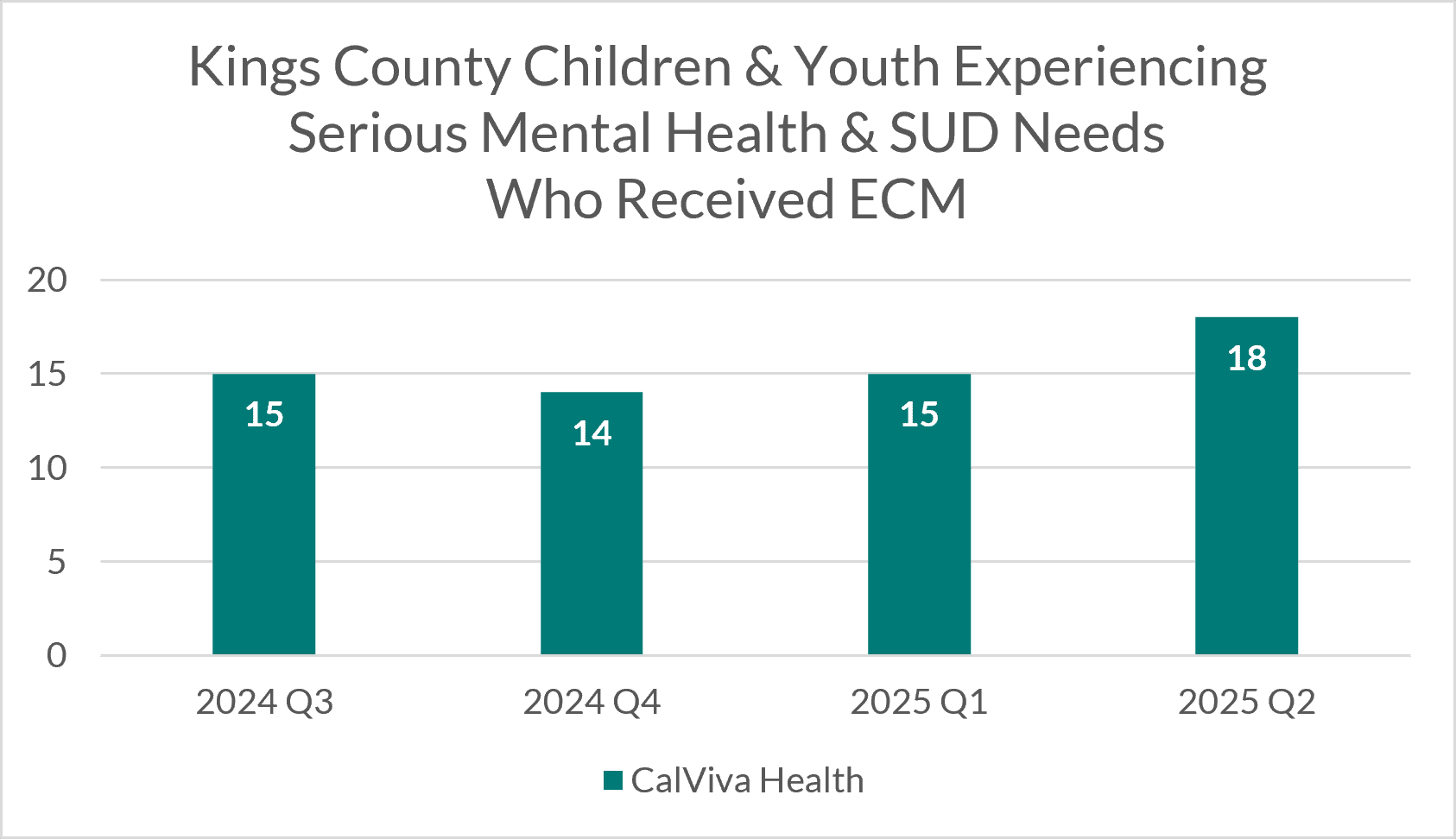
Kings County
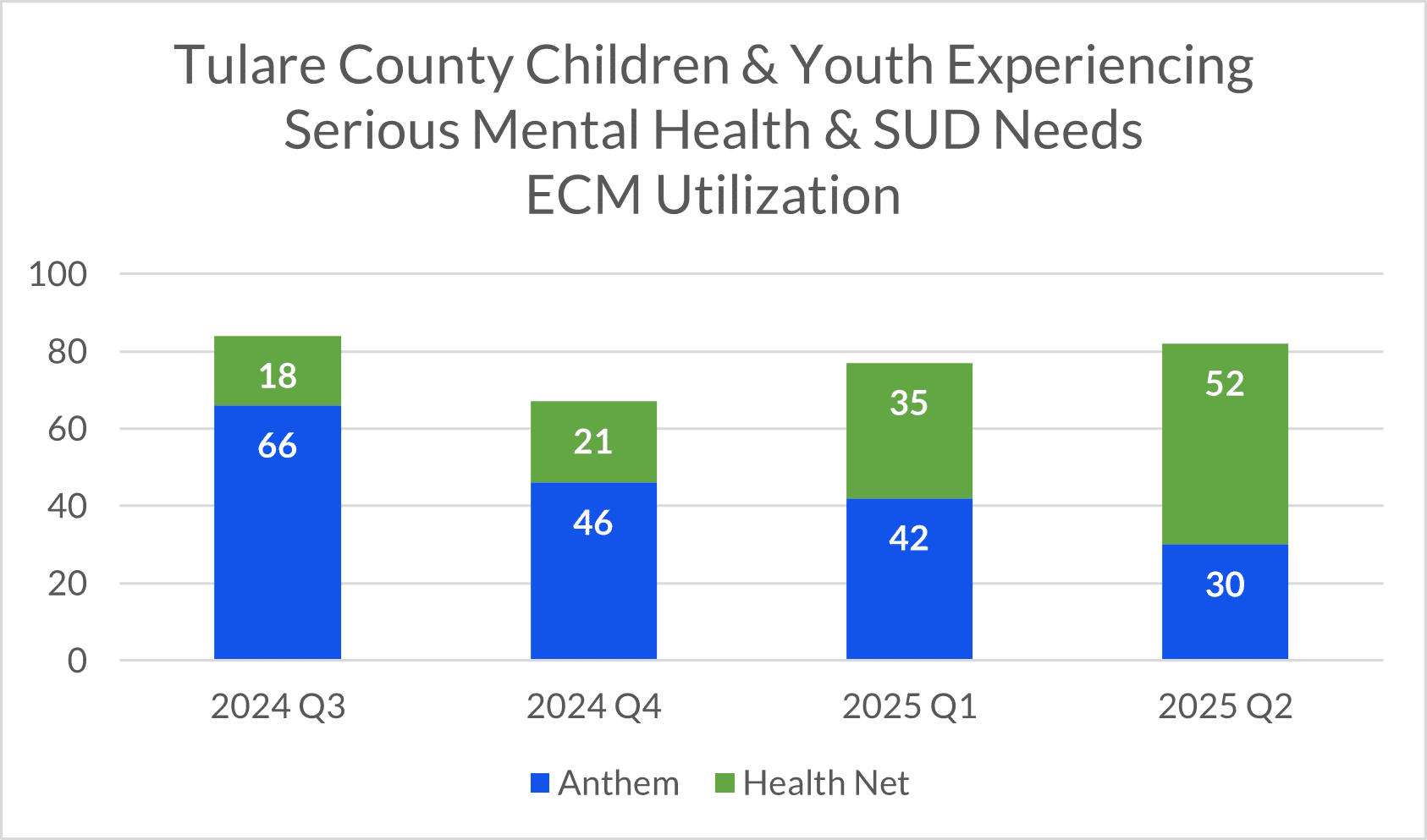
Tulare County
System of Care Map
A System of Care Asset Map is a tool designed to assess and describe the services available to specific populations, such as the homeless, individuals with mental health or substance use disorders, justice-involved individuals, and more. This map outlines existing community assets and identifies gaps in service offerings across a continuum of care, from immediate needs to long-term support, providing a holistic view of the system. By visualizing these resources, the tool helps evaluate whether parts of the continuum are well-developed, underdeveloped, reactive, or proactive.
When combined with population-specific data, a System of Care Asset Map highlights areas for improvement and informs strategic planning. It serves as a resource for service providers, featuring hyperlinks to partner agencies for easy access and collaboration, and supports community-driven planning to fill service gaps. It incorporates community insights through research, interviews, and local reviews and is designed to be updated regularly to reflect changes in available services.
Children and Youth Enrolled in California Children’s Services (CCS) or CCS Whole Child Model (WCM) with Additional Needs Beyond the CCS Condition
CCS and CCS WCM serve some of Medi-Cal’s most vulnerable children. In addition to their physical health condition qualifying them for CCS/CCS WCM – such as cancer, cerebral palsy, and cystic fibrosis (see full eligibility criteria on the DHCS website) – these children often experience a high co-occurrence of social and behavioral health challenges beyond their CCS/CCS WCM qualifying condition. As a result, many children in CCS/CCS WCM work with multiple care/case managers to navigate many delivery systems, creating a need for the child’s guardian or other advocate to navigate a variety of fragmented care delivery systems and discordant care plans.
Eligibility
Children and youth who:
-
-
-
- Are enrolled in CCS OR CCS WCM;
- AND are experiencing at least one complex social factor influencing their health. Examples include (but are not limited to) lack of access to food; lack of access to stable housing; difficulty accessing transportation; high measure (four or more) of adverse childhood experiences screening; history of recent contacts with law enforcement; or crisis intervention services related to mental health and/or substance use symptoms.
-
-
Making CalAIM Work for Community Providers: Lessons and Strategies from California’s First Five Network
Key Services
The following Community Supports can help Children and Youth Enrolled in California Children’s Services (CCS) or CCS Whole Child Model (WCM) with Additional Needs Beyond the CCS Condition:
Housing Deposits
Help members with the one-time services, such as security or utility deposits, that they need to establish a safe household.
Housing Transition Navigation Services
Assistance to find, apply for and secure housing
Housing Tenancy and Sustaining Services
Support to maintain safe and stable tenancy once housing is secured, such as working with landlords to address issues, helping with the annual housing recertification process and connecting the member to community resources to prevent eviction.
Transitional Rent (starting Summer 2025)
A maximum of six months of rental assistance to help Medi-Cal members experiencing homelessness or housing instability secure stable housing during critical transition periods.
Medically Supportive Food/Meals/Medically Tailored Meals
Deliveries of nutritious groceries or prepared meals along with vouchers for healthy food and/or nutrition education
Personal Care and Homemaker Services
Provided for individuals who need assistance with Activities of Daily Living (ADLs) such as bathing, dressing, toileting, ambulation, or feeding. Can also include assistance with Instrumental Activities of Daily Living (IADLs) such as meal preparation, grocery shopping, and money management.
Asthma Remediation
Home modifications to avoid serious asthma episodes. Modifications can include filtered vacuums, dehumidifiers, air filters and ventilation improvements
Environmental Accessibility Adaptions (Home Modifications)
Physical adaptations to a home that are necessary to ensure the health, welfare, and safety of the individual, or enable the individual to function with greater independence in the home: without which the Member would require institutionalization.
Recuperative Care (Medical Respite)
Short-term residential care that provides healing support for members who are being discharged from the hospital and lack stable housing.
By the Numbers
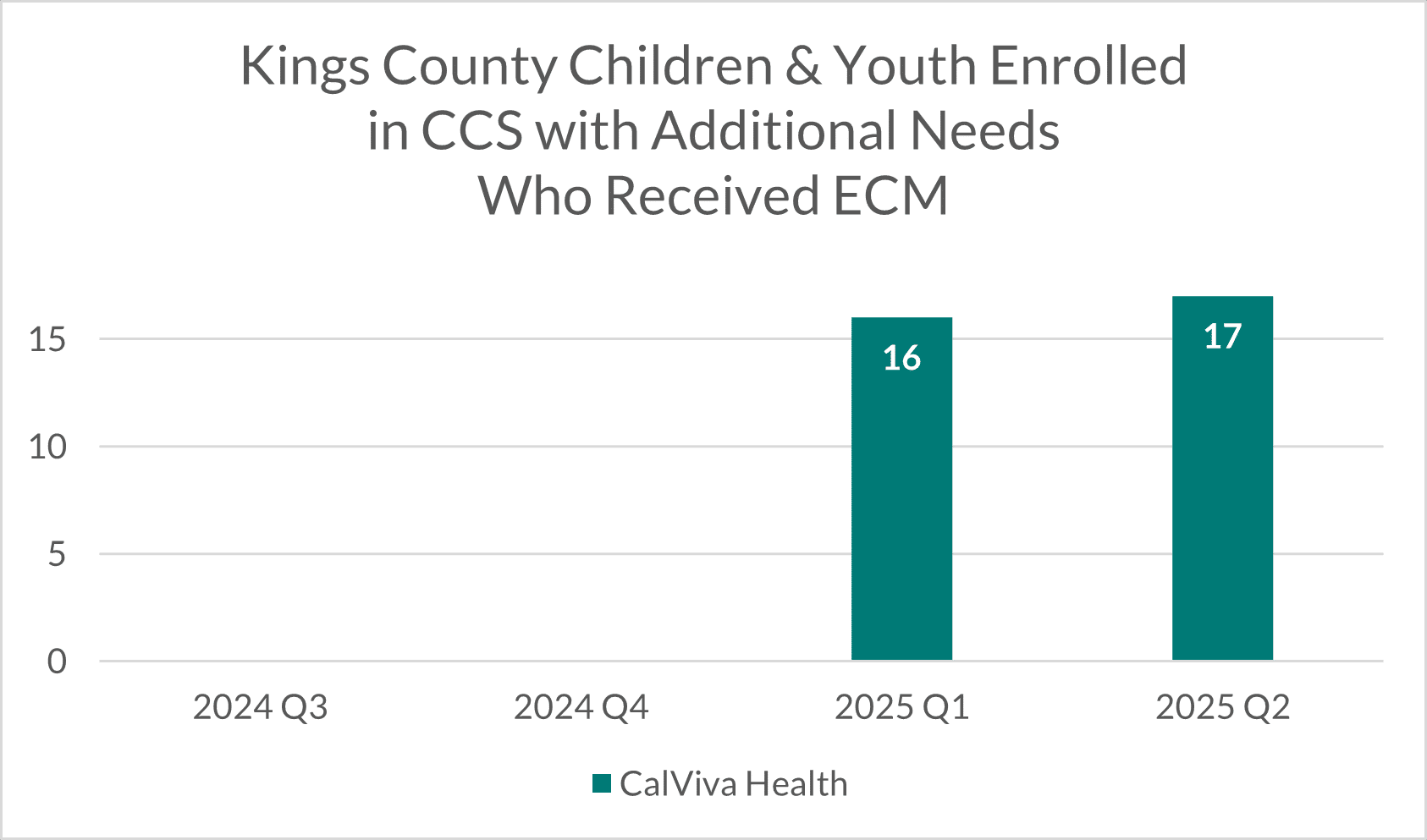
Kings County
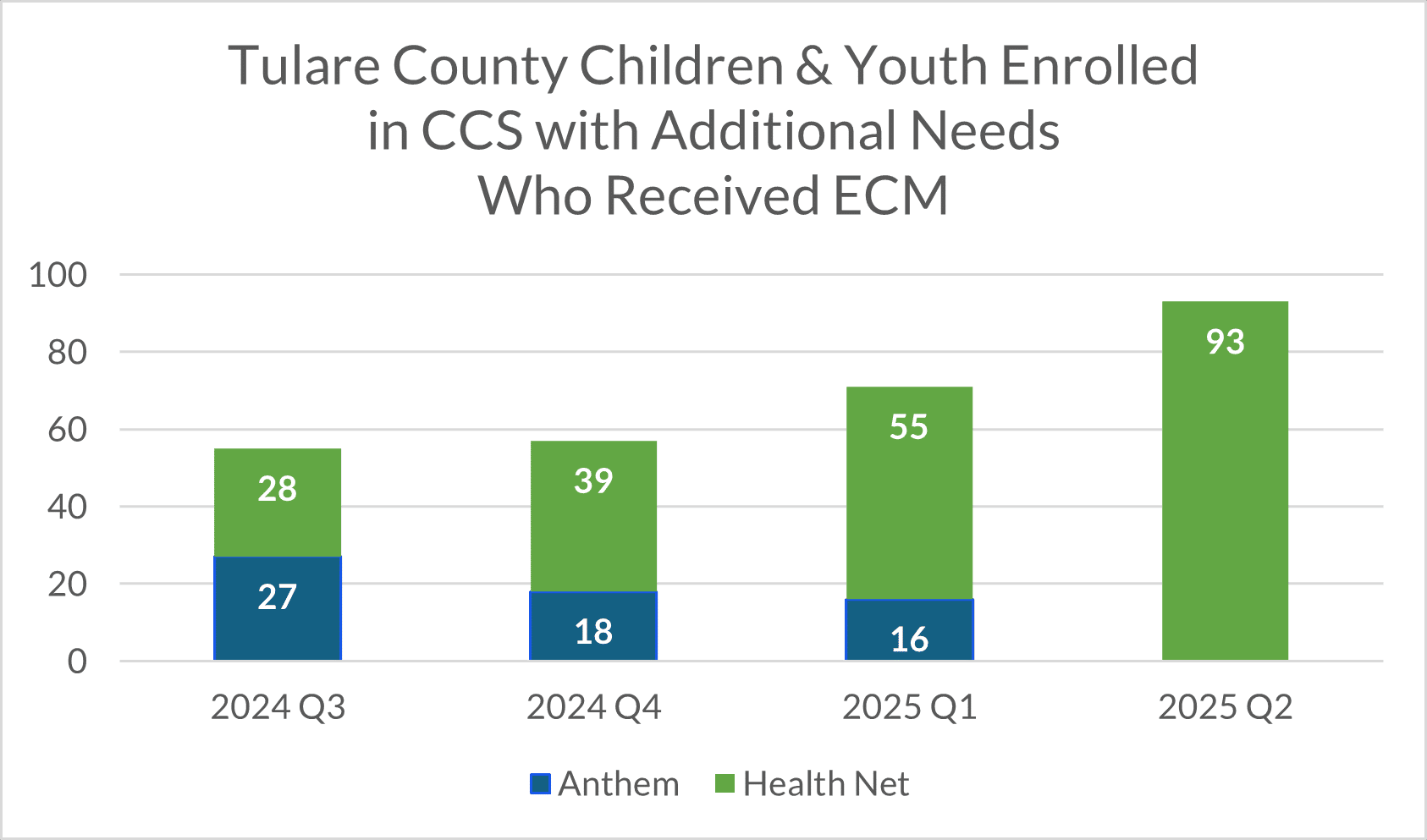
Tulare County
Children and Youth Involved in Child Welfare
Children and youth in California who are currently or were previously involved in Child Welfare Services provided through the California Department of Social Services (CDSS) often experience an extraordinary amount of transition and fragmentation of health care, social support services, and adult advocates in their childhoods.
Eligibility:
Children and youth who meet one or more of the following conditions:
-
-
- Are under age 21 and are currently receiving foster care in California; and/or are under age 21 and previously received foster care in California or another state within the last 12 months;
- Have aged out of foster care up to age 26 (having been in foster care on their 18th birthday or later) in California or another state;
- Are under age 18 and are eligible for and/or in California’s Adoption Assistance Program;
- Are under age 18 and are currently receiving or have received services from California’s Family Maintenance program within the last 12 months.
- Are under age 21 and are currently receiving foster care in California; and/or are under age 21 and previously received foster care in California or another state within the last 12 months;
-
Homeless Education
Key Services
The following Community Supports can help Children and Youth Enrolled in California Children’s Services (CCS) or CCS Whole Child Model (WCM) with Additional Needs Beyond the CCS Condition:
Housing Deposits
Help members with the one-time services, such as security or utility deposits, that they need to establish a safe household.
Housing Transition Navigation Services
Assistance to find, apply for and secure housing
Housing Tenancy and Sustaining Services
Support to maintain safe and stable tenancy once housing is secured, such as working with landlords to address issues, helping with the annual housing recertification process and connecting the member to community resources to prevent eviction.
Transitional Rent (starting Summer 2025)
A maximum of six months of rental assistance to help Medi-Cal members experiencing homelessness or housing instability secure stable housing during critical transition periods.
Medically Supportive Food/Meals/Medically Tailored Meals
Deliveries of nutritious groceries or prepared meals along with vouchers for healthy food and/or nutrition education
Personal Care and Homemaker Services
Provided for individuals who need assistance with Activities of Daily Living (ADLs) such as bathing, dressing, toileting, ambulation, or feeding. Can also include assistance with Instrumental Activities of Daily Living (IADLs) such as meal preparation, grocery shopping, and money management.
Asthma Remediation
Home modifications to avoid serious asthma episodes. Modifications can include filtered vacuums, dehumidifiers, air filters and ventilation improvements
Environmental Accessibility Adaptions (Home Modifications)
Physical adaptations to a home that are necessary to ensure the health, welfare, and safety of the individual, or enable the individual to function with greater independence in the home: without which the Member would require institutionalization.
Day Habilitation Programs.
Designed to assist a Member in acquiring, retaining, and improving self-help, socialization, and adaptive skills necessary to reside successfully in the person’s natural environment.
By the Numbers
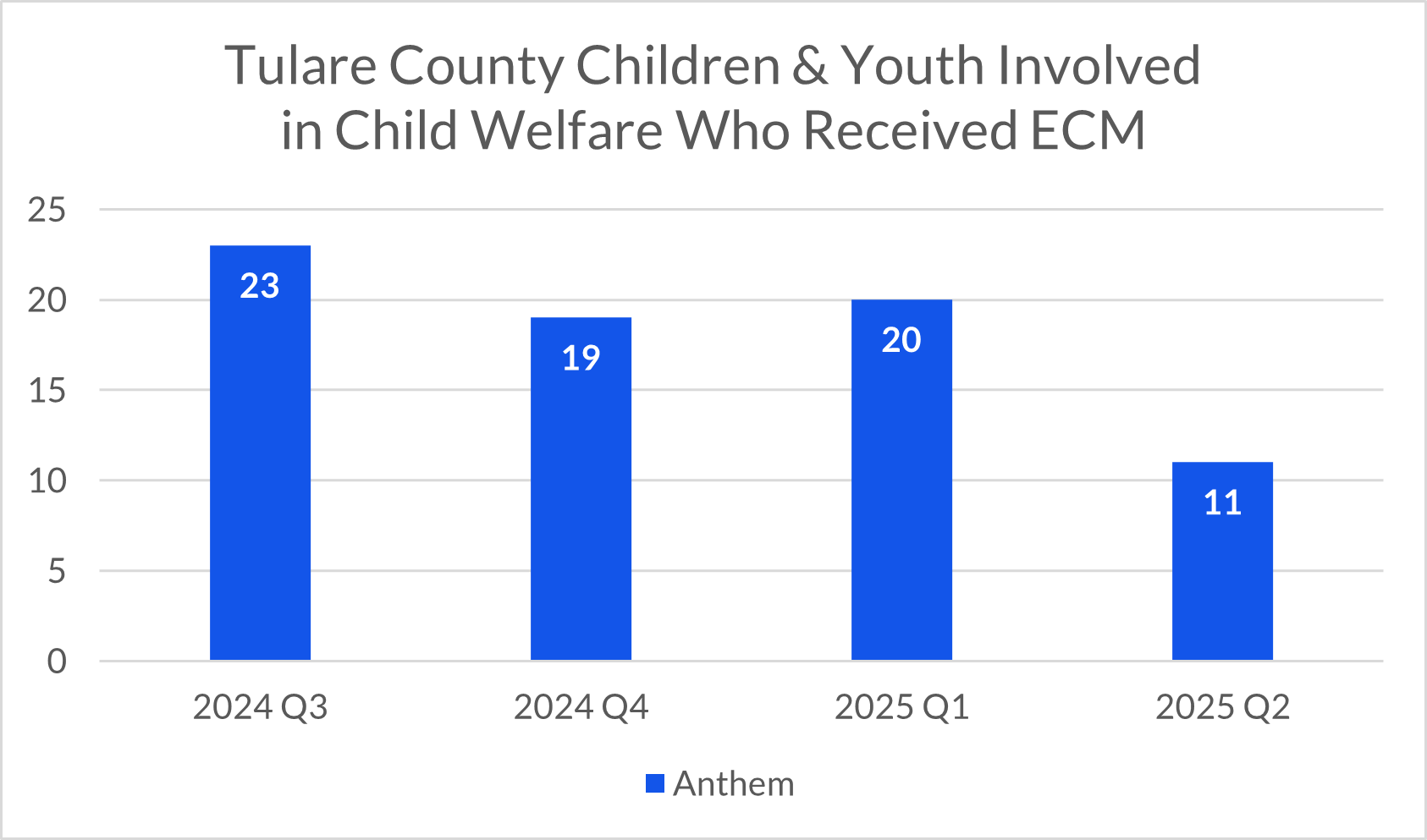
Tulare County
Key Community Partners
Housing Community Supports Providers who specialize in children and youth:
Asthma Remediation Community Support Providers
School Nurses
Local Hospital Case Managers
Family Resource Centers
Central Valley Regional Center (for individuals with disabilities)
Local county government departments
-
-
- Safety: Child Welfare, Probation
- Health: Public Health, Behavioral Health
- Stability: Social Services, Housing, Child Support
- Development: Education, Parks & Recreation
-